How Many Classes Do You Need To Launch An On-Demand Exercise Library?
If you are thinking about launching an on-demand exercise library, this question arrives very quickly:
How many classes do we actually need before this feels worth users paying for?
With years of experience filming fitness class video production for gyms, yoga and Pilates studios and fitness apps, we see this decision a lot. Below is the way we frame it with clients.
We’ll cover:
The Quick Answer
What You’re Really Deciding
Levels of Launch
Level 1 - Easy Test Launch
Level 2 - Solid Studio Library
Level 3 - Flagship / App Launch
All three models work. The difference is how fast you want to move and how much content you think your members will actually use.

A calm, minimal setup helps your instructor feel relaxed and look great on camera.
The Quick Answer
If you want rough numbers before the details, here you go:
Test launch: 10 to 20 classes
Solid studio library: 30 to 50 classes
Flagship or app-level launch: 60 to 100+ classes
Each tier can work. The right choice depends on your members, your business model and how often you can add new on-demand classes once you go live.
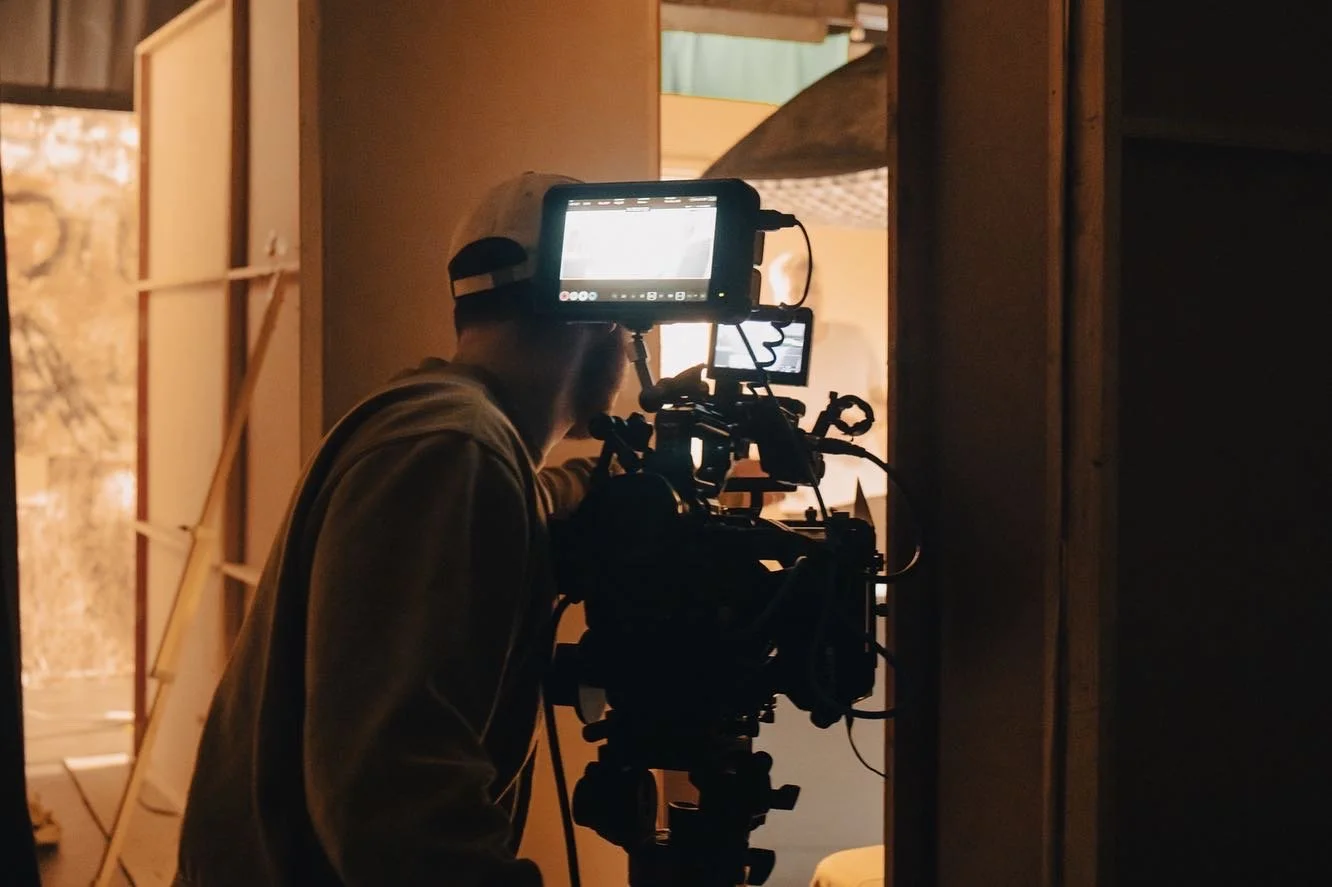
Filming fitness classes with a stable lighting and camera setup creates a consistent, premium look across your whole library.
What You’re Really Deciding
You are not only choosing a number. You are deciding:
Breadth
Do members see a good spread of styles - strength, cardio, yoga, Pilates, mobility - when they open your online workout library?Depth
Once they find something they like, can they follow a path, or do they hit the end of the library in two weeks?Perceived value
Does your on-demand fitness library feel like a proper product, or like a handful of leftovers from the timetable?
Keep those three ideas in your head as you read the models.
Level 1: Easy Test launch - 10 to 20 classes
Good if you are:
A single-site studio testing on demand
A brand that wants to learn what members actually use before a bigger investment
Working with a limited budget or instructor capacity
Rough structure
Aim for three or four clear categories:
Strength or conditioning: 3 to 4 classes
Cardio or HIIT: 3 to 4 classes
Yoga or Pilates: 3 to 4 classes
Mobility or stretch: 2 to 4 classes
You want members to be able to train two or three times a week for a month without repeating the exact same video too often.
Filming reality
On a calm day with yoga or low-impact content, a crew can often capture 10 to 12 shorter classes. For mixed strength and HIIT content, 8 to 10 classes per day is usually more realistic, so instructors do not fall apart by mid-afternoon.
So a 10 to 20-class on-demand exercise library is usually:
One focused filming day, or
One and a half days if the intensity is high
If you choose this model, treat it as a live test. Plan a second filming day a few months later, once you have usage data.
Level 2: Solid studio library - 30 to 50 classes
This is where many serious gyms and studios land.
Choose this if:
On demand is part of your long term retention plan
You want your digital membership or hybrid tier to feel substantial
You would be uncomfortable charging for access to only ten videos
Rough structure
Think in collections, not just a raw number.
For a mixed studio, for example:
Strength: 8 to 10 classes
Cardio or HIIT: 8 to 10 classes
Yoga: 6 to 8 classes
Pilates: 6 to 8 classes
Mobility and recovery: 4 to 6 classes
Beginner or foundations path: 4 to 6 classes pulled from the above
Layer duration on top:
15 minute express
30 minute standard
45 to 60 minute full sessions
Suddenly your on-demand fitness library feels like a place to explore, not a dumping ground.
Filming reality
At this level, most studios we work with end up with:
Two to three filming days with a small crew, or
One launch shoot, then a planned top up day a little later
We build the schedule so the high intensity blocks and more technical flows are spaced intelligently. That way the final class of the day looks as fresh and sharp as the first.
This is also where our on demand workout video packages start to make the most sense financially, because you are spreading crew costs over a good number of finished classes.
Pro Tip: For a more in-depth look at using two cameras to record Yoga / Pilates / Weightlifting classes. See below.

Fitness Campaign Imagery, shot for online retailer.
Level 3: Flagship / App Launch - 60 to 100+ Classes
This model suits:
Investment-backed fitness apps and platforms
Multi-site gym chains
Established studios that want their on-demand offering to feel like a core product from day one
Here, you are not just filming classes. You are building a structured online workout library.
Rough structure
Rather than thinking “we need 80 classes”, think in tracks and paths.
Example:
Main tracks
Strength
Conditioning or HIIT
Yoga
Pilates
Low impact
Mobility and recovery
Inside each track:
Beginner path: 6 to 8 classes
Intermediate path: 8 to 12 classes
Advanced or challenge path: 8 to 12 classes
Across a few tracks you quickly end up with 60 to 100 plus classes, but every video has a purpose.
Filming reality
No one should try to film a 100-class on-demand exercise library in one heroic block. It is far better to break it into phases:
Phase 1: core tracks and beginner paths
Phase 2: intermediate and low-impact content
Phase 3: challenges, seasonal ideas, specialist formats
From a production point of view, we treat this as exercise library production, not just “a shoot”. That means planning art direction, lighting, sound and instructor rotation so the library feels like a single, coherent product.
How often should you add new classes?
Whichever model you choose, members will eventually ask, silently or out loud, “What is new?”
You do not need daily uploads, but you do need a rhythm. A few practical options we see work:
4 to 6 new classes every month
A small drop every 2 weeks
A bigger seasonal update each quarter
The right cadence depends on your library size and member expectations. The main rule is simple: choose a realistic update schedule, communicate it, then stick to it. A smaller on demand fitness library that grows steadily beats a huge one that never changes.
From our side, we often plan:
One big launch block, then
Regular filming days that slot into your timetable, so updates do not wreck the in person schedule
Pro Tip: Deciding between a 10-class launch and a full 50-class library comes down to your goals and your budget. I cover typical studio budgets here.
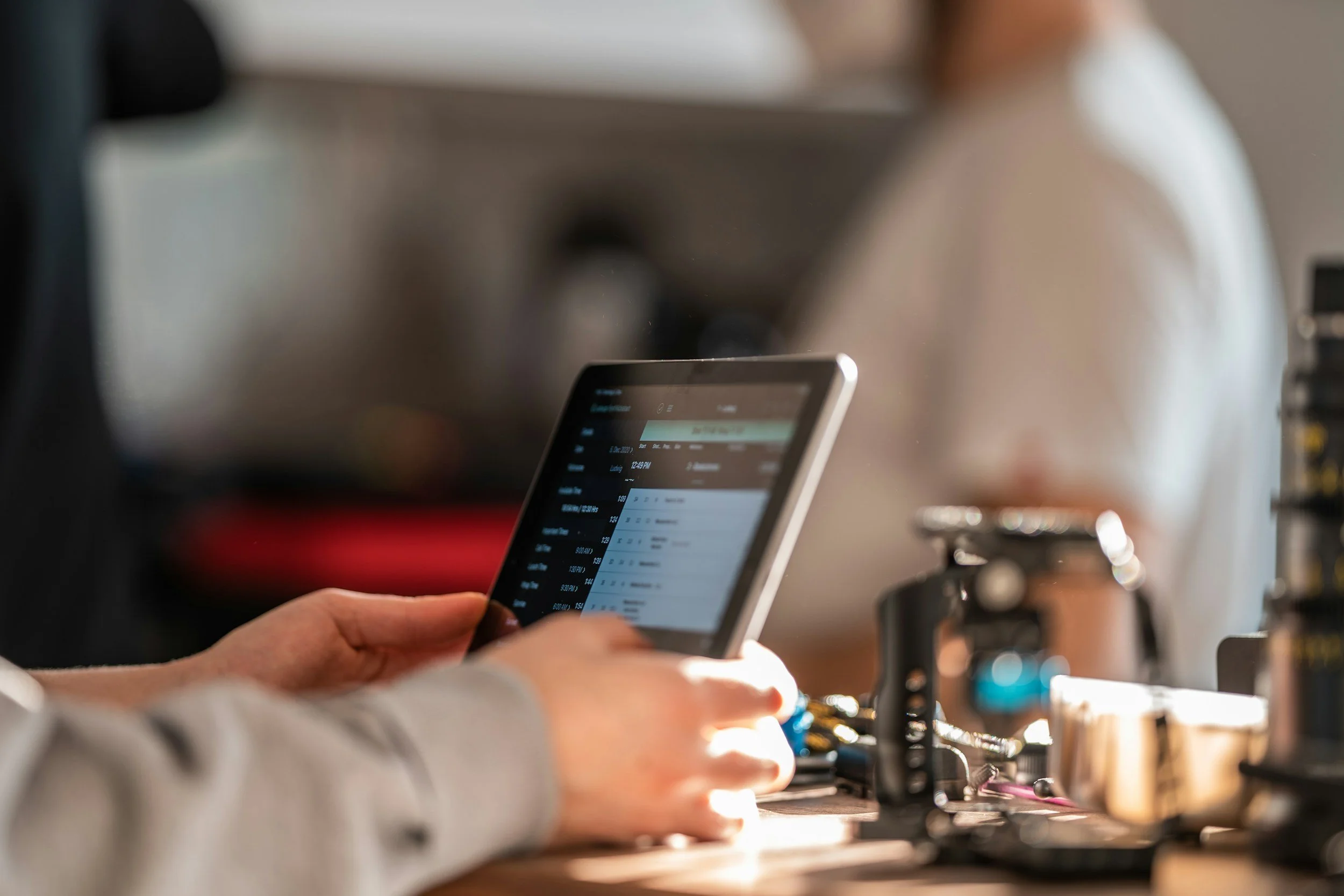
Planning your content in advance makes the shoot day smoother and ensures you get the exact number of classes you need.
Turning your number into a plan
Once you have a rough target, the next step is turning “we want 30 to 50 classes” into:
A class list that covers your key styles and member types
A filming schedule that respects instructor energy and studio availability
A realistic budget for filming and editing
That is where we come in.
Through our:
Fitness class video production we plan and film full shoot days for gyms, yoga and Pilates studios
On demand workout video packages we build and top up on demand fitness libraries for studios and apps
Exercise library production projects we design larger, phased libraries from the ground up
If you want a second brain on your on-demand exercise library, send us:
A short outline of your studio or app
Your current member count
Whether you are thinking test, solid or flagship launch
We can map how many classes you really need, how many filming days that implies and what it will take to launch an on-demand library that feels worth paying for.
Plan Your Shoot.
Tell me a bit about your space and classes and I’ll send back a rough shoot plan and ballpark budget.
I’ve filmed for gyms, yoga studios and fitness brands across the UK. If you’re not sure where to start, I can help you plan a realistic shoot that fits your space and budget.
